You’ll find more in the bank statement that is the simple ledger of transactions. Account summary, explanations, notifications and disclosures can be found in the actual information that the bookkeeper requires.
Processing all data is not essential if the project is to transfer information from transactions into an accounting system or spreadsheet. A more targeted workflow begins by identifying the pages that are useful before creating the output files.
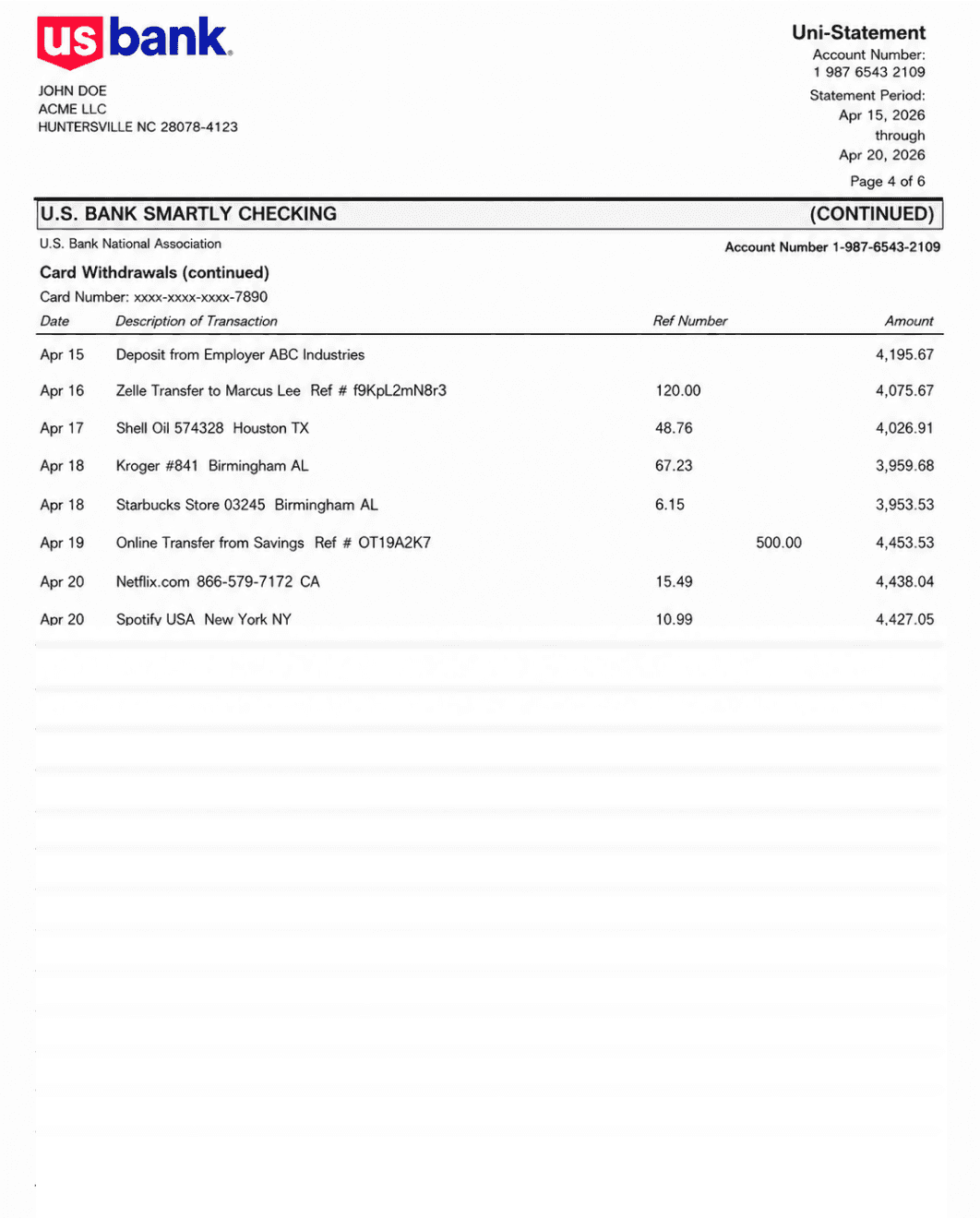
Image credit: docubrew.com
The number of pages on a page doesn’t necessarily mean more data
Imagine a company reviewing the financial activity of a few months. Although each month’s PDF may have at least ten pages however, only a small fraction of it will contain the accounting tables needed.
Manual copying of these tables could be an option however, it’s slow and is prone to errors. Businesses can also convert bank statements to Excel while limiting the conversion process to pages that are relevant.
Docubrew provides a preview page that allows users to browse and select which pages are processed. You can leave out disclosures, cover sheets, and other pages.
Improve Control by Using Preview the first
Automation is most effective when the person who is using it can monitor what’s happening.
Docubrew lets users preview the statements before complete the conversion. Docubrew extracts information from the statement source instead of estimating financial values.
A preview is a great way to ensure that all pages are properly selected and to look over the information you have extracted prior to download the final results.
It’s a straightforward checkpoint but one that is crucial when financial documents are involved.
Exports should be controlled by the destination
The next thing to consider is what you intend to do with the transactions.
Excel excel is perfect for bookkeepers that need to sort or inspect the data. CSV is the best option if the data will be being transferred to a different system. Docubrew supports QBO output.
If a person needs to convert bank statements to CSV format, they can create a CSV instead of creating an Excel worksheet initially and later manually changing the formats.
Docubrew can be used with accounting programs like QuickBooks®, Xero®, and FreshBooksand also spreadsheet-based workflows.
Paper statements that have been scanned can be added to the same workflow.
The use of selective conversion isn’t restricted to PDFs that are digitally created.
Certain companies only have old statements on paper. Docubrew offers OCR for scanned PDF statements that allow those documents to be processed also.
It can be extremely useful for working on accounting historical projects where certain records were digitally digitized whereas others were directly scanned from paper. Documents can be converted with the same process, and then reviewed before exporting.
Process Locally or Use the Cloud
It is important to consider how documents are handled, as well as their output.
Docubrew’s Windows desktop application runs conversions locally, keeping client documents in the system. For users who prefer browsing-based processing cloud, the cloud option secures uploaded documents and, according to Docubrew the program, deletes the uploaded and converted files within 24 hours.
Ultimately, converting a bank statement to Excel shouldn’t mean feeding every page of every PDF into a tool and hoping the output is useful.
Start by reading the pages that have the information you require. Review the information being gathered. Select the best format for the next accounting task.
A more efficient workflow for financial transactions can start not by more processing, but rather by deliberately doing less.