If you ask a child what they’d love to do when they’re older, they’ll still answer “pilot”. It’s a job that’s full of adventure, technical precision, and freedom. Once the dream becomes realisation, every pilot asks what do pilots make?
The answer isn’t so simple as the number. Understanding the salaries of pilots in the airline industry today requires navigating through the mix of starting pay, the growth trajectory and benefit structures and real-world tradeoffs.
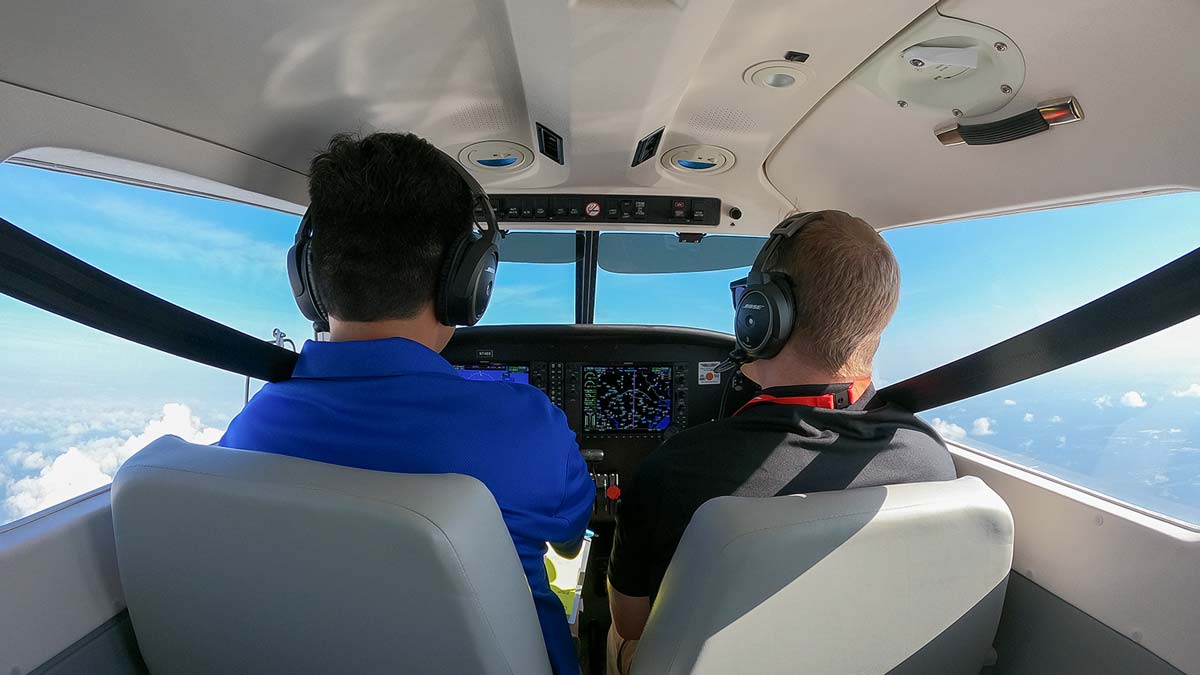
Image credit: flightschoolusa.com
Start Small: What makes many pilots get started in the region world
The majority of pilots do not walk straight into the cockpit of the Boeing 787. Their careers usually start with regional carriers where they fly smaller aircraft on shorter distances. These are entry-level jobs that serve as the ideal training ground for future captains. The pay is a reflection of the fact that.
A regional airline pilot salary typically starts around $45,000 to $70,000, depending on the airline and whether the pilot comes with flight experience or is fresh out of school. Although it’s not a lot when compared with the cost for flight school, having regional experience can result in greater opportunities. In response to the shortage of pilots, many regional carriers have increased their compensation.
Commercial Pilot Salary is Not Always What you Think
Then things start to get interesting. It’s not necessary to have a commercial pilot’s license to fly for an airline. You are qualified to fly for a fee. This could include charters, cargo sightseeing, sightseeing, crop dusting, firefighting, or even corporate jets. Each option offers a compensation package that is significantly different.
A charter captain can earn $60,000 while a Gulfstream G650 corporate captain could earn up to $200k per year. Commercial pilots’ salaries can vary due to the various roles and associated risks. Commercial sectors rely on negotiation, aircraft types, and contracts with clients, unlike the seniority structure of airlines.
When the Numbers Get Bigger
Pay for pilots in USA becomes more attractive as you climb the ranks. An officer who is the first in one of the major U.S. airline might earn $90,000 to $150,000, while the captain of a senior position flying international wide-body routes may earn anywhere from $300,000 to $400,000 and sometimes more with overtime and bonuses.
But these numbers do not provide the complete picture. Seniority is often accompanied by lengthy hours, a gruelling schedule, and trade-offs in lifestyle. The path to a rewarding career is not always appealing.
What Your Paycheck Doesn’t Show
A key part of any airline pilot’s salary conversation involves benefits and this is where many pilots look for value beyond the dollar figure. Benefits can significantly impact the quality of life for all. They include medical insurance pension plans, to benefits for travel extended to family members.
In addition, a lot of airlines offer signing bonuses (sometimes $15,000-$75,000) to pilots with experience, especially pilots with military backgrounds or type ratings in high demand. These bonuses highlight the urgent need for qualified professionals as the U.S. faces an aging pilot workforce and increasing travel demand.
What is the Value of a job?
In the United States of America, becoming licensed pilot isn’t just difficult, but also costly. Training for flight can cost anywhere from $70,000 up to $150,000. Many pilots won’t make six figures for a few years. But the benefits in the long run are true.
The job of a pilot is often stable, with a structured progress and a routine that can be admiration by other professions. The views from the cockpit and the pleasure of flying a plane is more important than the amount of money earned.
Final Thoughts
In the USA the salary of a pilot isn’t just about the cash. It’s about lifestyle, journey and growth. For those who dream of flying and are willing to put in the time to pay for it, as well as the money and effort to take off this career path offers more than just a pay check but also a reason to be there. Whether you’re looking at regional positions such as commercial charters or long-haul international flights. Every move will bring not only higher earnings, but also a wider perspective.